Are Ready-Made Dog Meals Bad for my Dog?
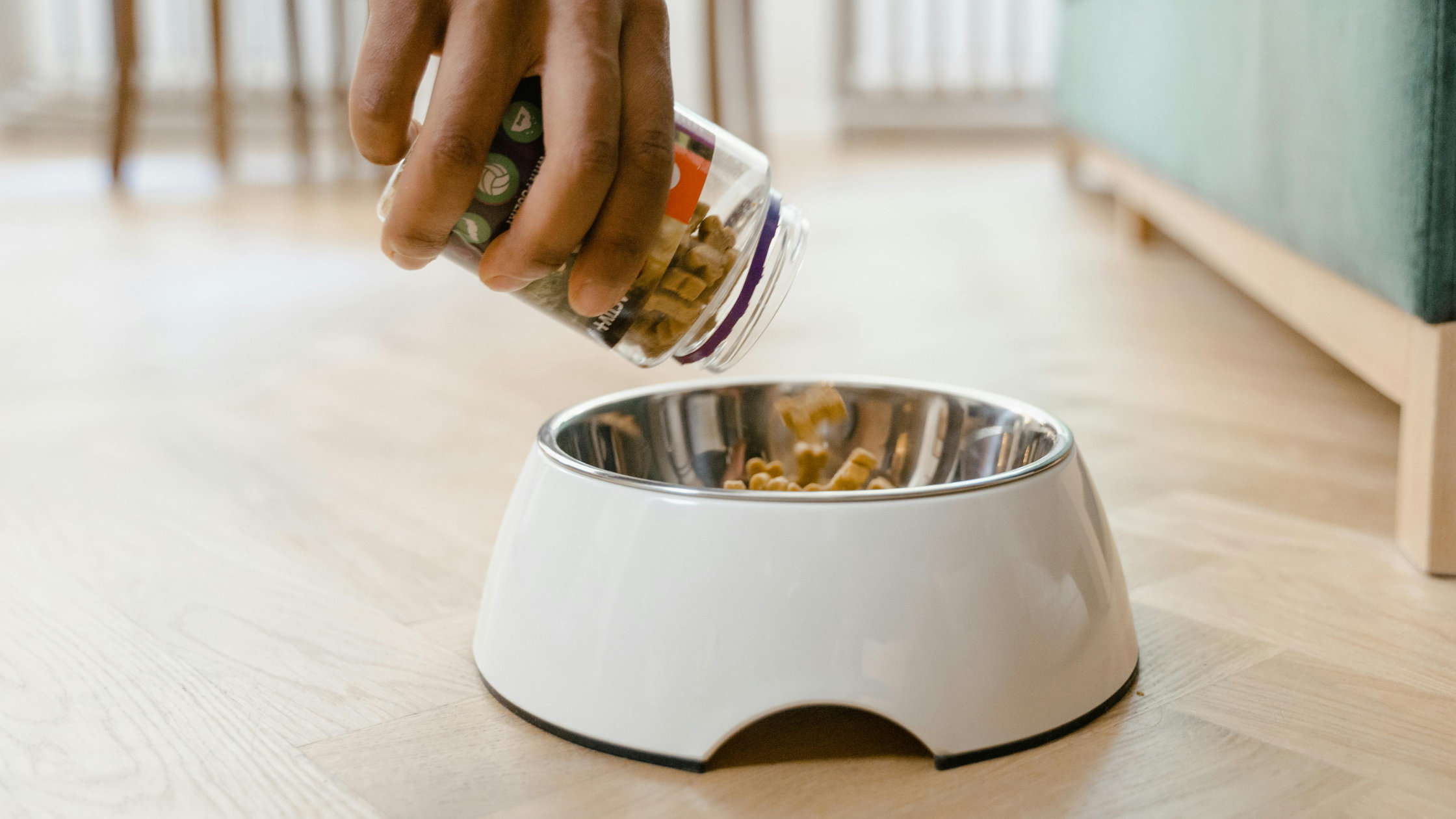
Ready-made dog foods are often the equivalent of supermarket packaged foods for humans. There are products with better ingredients than others, and some that no dog should ever eat. Knowing what is a good formula and what is a bad formula is often difficult to pick out due to the efforts made by advertising companies to entice buyers to choose their products.
Even if you manage to choose a well-formulated product, ready-made, pre-formulated foods can give dog owners a false sense of security, as they think they don’t need to offer any other food. In fact, many brands advertise themselves as complete and balanced, requiring no variation or additional ingredients.
Here’s the catch.
Most dogs will require some form of variation to their diet to be truly healthy. This is because every dog is unique and will have different needs. Just as there are foods that don’t “agree” with you, there could be foods that don’t “agree” with your dog.
WHY PRE-FORMULATED IS BAD
Ingredients matter just as much as how the food is processed. The least amount of processing, raw, contains the most amount of bioavailable nutrients. The highest amount of processing, dry kibble, contains the least amount of bioavailable nutrients. While we all know processed food is bad for us, it’s not easy to determine if the ingredients included in the food are “good” and which forms of processing are better or worse.
Pre-formulated food has set ingredient ratios and ingredients which are not always right for every dog. Because of the nature of the products, they are not always easy to customise.
What is “good” food?
Others may have a different definition of “good” food, but my definition is this:
- Bioavailable to the dog
There are many ingredients added to dog food that the dog cannot properly utilise, which can actually lead to an increase in inflammation and eventually the development of various health conditions. E.g., Meat that is rendered, vegetable by-products like beet pulp.
Plant protein is not as bioavailable to a dog as is animal proteins and this is listed as one nutrient on a label so you don’t always knwo what is making up the protein portion of a product. - Little to no processing
Frozen or fresh raw food is best; however, freeze-dried options also tend to retain a good amount of nutrients. The more a food is processed, particularly via heat, the more the nutrients are destroyed. Heat can also cause protein cells in food to denature, making them unrecognisable to the dog’s digestive system. This can lead to chronic inflammation and the development of disease. - Whole-food ingredients that make sense
Things like beet pulp, rendered meat, by-products, vegetable fibre, tapioca starch and cereals are not whole foods or foods a dog would naturally eat. Many of these types of ingredients are not digested well and do not actually provide any nutritonal value for a dog. - The right ratio for your dog
Ingredient ratios differ from professional to professional and product to product, and even a Google search will prove difficult to find the “correct” ratio. Even I have my own ratio that I believe to be correct for most dogs. When you buy a pre-formulated food it has a set ingredient ratio, sometimes the packaging doesn’t tell you what this is either. If this particular ratio is not right for your dog it can be very difficult to alter it. - Varied Ingredients
Food that contains the same ingredients in every meal are not ideal. There are no animals (or humans) that eat every ingredient they need in a day, and there is good reason. Nutrients interact with each other. When you eat a bunch of ingredients all together all the time, you can, funnily enough, end up with nutrient deficiencies as some nutrients bind with others and make them unusable or they are flushed from the digestive system without being absorbed. To avoid nutrient interference, switching up your dog’s protein and plant sources is best. - They are not “mush”!
Food that is overly mushy does nothing for mental stimulation or teeth cleaning. You want chunks of meat with crushed or pureed veggies. Mushy meat, like those in pet rolls, stick to dogs teeth causing bacteria build up and take very little time to actually eat as they are easily slurped up. Great if you have a dog with no teeth, but terrible for any other dog.
WHY PRE-FORMULATED IS GOOD
Pre-formulated food is the apitomy of convenience. Assuming we’re talking about a fresh, whole-food diet, it’s easy enough to portion, thaw and serve, with most dogs not having any issue with taste.
If you are able to find a well-formulated product, that is, one that uses whole-food ingredients and minimal to no processing, it’s certianly worth giving it a shot. The best brands are those with varying ingredients, both plant and animal, do not have added vitamins and do not contain crushed bones.
These foods are easier to change if needed and ensure your dog gets some variety. When crushed bones are added, you miss out on being able to feed your dog a meaty bone. When vitamins are added, it’s often because the brand wants to be labelled as “complete and balanced”, when really, this isn’t neccessary. By providing variety, your dog will be getting all the nturients they need. If you only feed one variety/formulated product, then you might need supplementing.
Supplementing should be done on an individual basis and not “willie-nillie”. Yes, I said “willie-nillie”.
For clients who prefer to use a pre-formulated food, depending on the dog, I will make recommendations on what would need to be changed at certain intervals to ensure there are no nutrient deficiencies and the dog’s body is supported nutritionally.
You can also make custom meals and feed those 2-3x per week and pre-formulated the rest of the time.
OK, WHAT’S YOUR POINT?
Feeding dogs is actually easy and many brands overcomplicate it by making confusing recipes and using ingredients and processing methods that are not even appropriate for a dog’s digestive system.
Once a dog owner chooses a product, they may fall into a false sense of security in assuming the food is all the dog needs when in reality, most dogs will need some form of variation to the food.
While it’s not a bad thing to feed pre-formulated foods, they should be looked at with great scrutiny to ensure it is what your dog needs. And always, watch how it comes out the other end 😝
By feeding a good rotation of meats, organs and plant matter, you can be sure that your dog is getting what they need.
*My supplier of choice is Rogue Raw (RR) in Sydney, Australia. Click here for a discount on your first order, and to support me.
I have been feeding RR for many years and my dog is thriving at 16 years old. I choose to affiliate with them because I want people to try their wild-ranged meat options. Their values and products align with my own and I truly believe they are trying to do what’s best for dogs.
Unsure what suits your dog?
Book a consultation and we’ll build a plan around your dog’s individual needs.
Keep reading
Dog Food Debate: Raw vs. Cooked – Which is Actually Healthier?
Cooked, uncooked, meat, plants, fruits, grain-free, single protein, kibble, canned, fresh, whole-prey, freeze-dried and more. There has never been a…
Does Apoquel Actually Work for Dog Allergies? My Allergy Protocol.
Apoquel is a widely prescribed allergy medication offered for a myriad of skin and allergy disorders. Many dogs must keep…
What Size Bones Should my Dog Eat?
The first time I fed my dog a bone I had no idea what I was doing. I didn’t know…