Dog Food Debate: Raw vs. Cooked – Which is Actually Healthier?
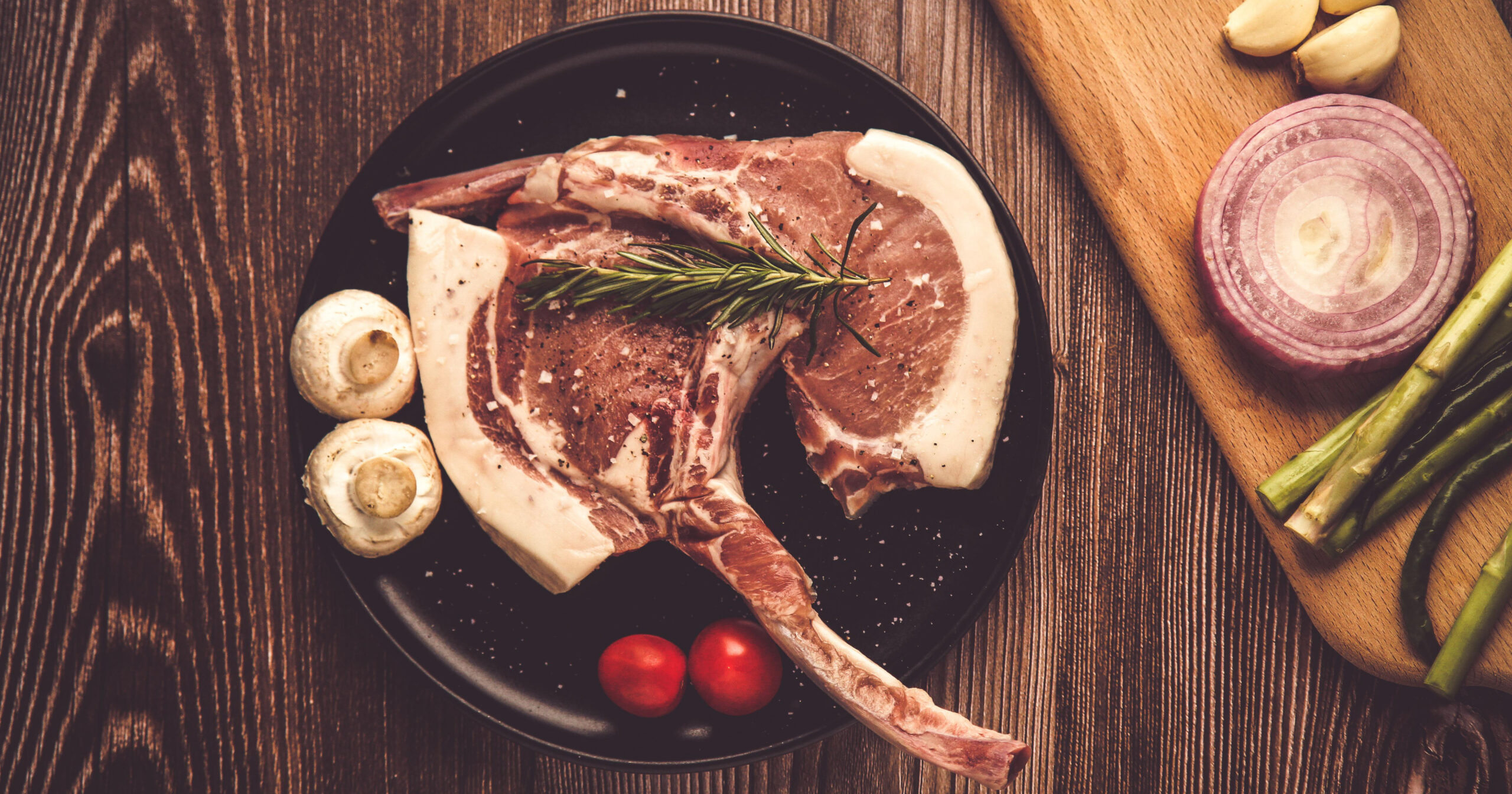
Cooked, uncooked, meat, plants, fruits, grain-free, single protein, kibble, canned, fresh, whole-prey, freeze-dried and more. There has never been a trickier time to choose what to feed your dog. The options in pet stores and the hundreds of indie food brands popping up online are almost ridiculous and a testament to the fact that dog owners want to do better for their dogs. These brands and businesses are cashing in by marketing their food as being the healthiest, and therefore, the best food for your dog.
But what type of dog food is actually the healthiest?
If we remove the marketing 🐂💩 and follow the dog’s biology as it is today, feeding our best friends is actually very easy, and there is a reason more and more dog owners are moving away from kibble, canned and bagged dog food.
If you’re here, you’re one of those dog owners who already suspect or know that kibble is bad but aren’t sure whether to start making homemade dog food or to stockpile their freezers with chicken carcasses. Don’t stress, I got you!
Evolution and the dog you know today.
Over thousands of years, dogs have been selectively bred for their willingness to cooperate with humans and, of course, their physical features. Despite some adaptations, the dog’s digestive system, which is of importance when we speak about food, has remained almost the same.
In the journal Nature in 2013, a study led by evolutionary geneticist Erik Axelsson of Uppsala University found that domestic dogs have copies of the gene responsible for starch digestion, indicating they can digest starch, much like omnivores. Many dog food companies use this as the basis for creating recipes and products that contain significantly larger portions of starch and plant matter than a wild dog would ever have consumed throughout evolution and domestication.
However, this does not mean dogs should eat large amounts of starch. Many other factors enable an animal to digest starch properly.
The dog’s body has all the markers of a carnivore. A short and fast digestive tract, a highly acidic stomach, a hinged jaw with teeth shaped for ripping and tearing flesh (not chewing) and a sleek body perfectly designed for hunting and stalking.
While some individual dogs have shown a genetic adaptation to living with humans, this amount of starch-digesting enzymes (amylase) is negligible for actual starch digestion.
Why did we start cooking dog food?
As far back as we can go, we know that dogs, when domesticated, were fed predominantly food scraps. These scraps typically included raw meat offcuts and bones, rotten or excess plants and fruits from human camps, and anything they could hunt or scavenge themselves.
As time went on, and without delving too far into the topic, the human world industrialised, as did our food and ourdog’ss food soon followed.
Canned and bagged dog food was a way to address the growing issue of commercial food waste, such as that from meat processing. While this sounds exactly like what we did when we lived in human tribes, feeding food scraps, the problem lies in how these scraps are processed.
These industrialised food scraps, or dog food, were heavily processed and heat-treated.
Kibble is not healthy.
We know that a human diet consisting mostly of whole foods is healthy. We know that a change from a processed diet to a whole-food diet promotes health and can help people recover from certain illnesses.
Despite this, dog owners are wrongly sold the promise of “good, healthy, “ongevity-promoting dog food” in a form that”is anything but healthy. Potentially even carcinogenic.
The answer has been right in front of our faces: dogs from the 50s rarely had metabolic diseases, and now almost every dog suffers from some kind of ailment. The answer is in the common diets being fed to our dogs. Food is the body’s fuel; witbody’sroper fuel, the body quite literally degrades.
Dog food was never invented to promote health; it was invented to use up industrialised food waste. Just read the back of your dog’s food bag.
Should you make your own dog food?
When you realise what’s in the packet is less than ideal for dogs, you may be quick to decide to make your own food because at least then you know exactly what’s gone intowhat’sdog’s bowl. And dog’smend you on that, for sure!
However, as lovely as this thought is, dog owners often provide too many foods their dogs don’t need or not enough variety. Now don’t panic, I promised feeding your dog prdon’ty wasn’t going to be diffdon’t, and it’s not, hear me out.
Food scraps havewasn’ted over time. Many people doit’seat well themselves, so simply providing your dog with food scraps,don’te used to, is unlikely to give them the nutrition they need. There is still a formula (of sorts) that will allow you the freedom to make good food choices for your dog and help you choose what to buy or make for them.
Cooked Vs Raw
Now we get to the good part!
Hopefully, by now, I’ve given you enough information and piqued your interest in feeding a fresh food diI’ve if not, please do more research. The information is there if you want it.
If you’re still with me, you’re now wondering whether you should spend hours on the weekyou’real prepping or stockyou’reur freezer?
Cooked food is cooked.
I mentioned that the problem with commercial kibble is that it’s heavily processed and heat-treated.
That sounds awful compared to all the it’slthier” brands claiming their food is lightly cooked, gently dried, and”slow-roas”ed.
But here’s the thing: all of those magical phrases are just different ways of shere’sthe same thing — the food is cooked.
Why does that matter?
Because when food is cooked, its structure changes. Heat alters the shape of proteins, making them unrecognisable to the dog’s body, damages certain vitamins, and oxidises fats. In simple terms, dog’sng can change how natural and usable some of those nutrients are by the time they reach your dog’s bowl.
Cooked food, even home-cooked, has still been through a heat pdog’ss that changes the original structure of the ingredients — especially the proteins your dog’s body relies on.
Need more reasons?
- Cooked food is often soft, therebdog’sviding no mental or physical enrichment or the teeth-cleaning benefits your dog’s ancestors relied on.
- When the cooked food molecules are eaten, the bdog’san’t recognise them and regards them as “foreign”. This can result in allcan’t reactions and autoimmune conditions”
- These “oreign cells often become carcinogenic because they lack many protective nutrients, such as antioxidants and vitamins.
- Two important amino acids (Lysine and Methionine) become indigestible and unusable when eaten cooked. This results in general poor health and disease resistance, as well as growth problems.
- Due to the changed food structure, the dog will find it difficult to feel “full” and be satiated, leading to obesity and sugar addiction.
- Pancreatit”s is”a real concern.
Fresh, raw food naturally contains digestive enzymes that help your dog break down and use nutrients. When food is cooked, many of these natural enzymes are destroyed. That means your dog’s body has to work harder and make more of its own enzymes to digest tdog’sod.
Over time, this extra strain can increase the risk of pancreatitis. - ALL wild dogs eat raw meat.
What should you do now?
I’m glad you asked 💁♀️
The best option is to work with a qualified caninI’mutritionist who can show you exactly how to feed your dog. They can help you tailor a fresh, raw diet to your dog’s age, breed, health, and lifestyle.
If that’s not possible right awaydog’sre are also some excellent frozen raw fthat’smpanies that do a lot of the hard work for you. These can be a great starting point while you learn more.
At a basic level, your dog’s diet should include:
- Fresh muscle meat (varying sources)
- Raw meaty bdog’s(appropriately sized)
- Leafy greens
- Some fruits
All of these should be fed in appropriate amounts and proportions over time. Ideally, you’ll occasionally add:
- Fish
- Eggs
- Healthy oils
- Fresh sprouts
- Organic plaiyou’llurt
This is where a nutritionist can really help you get the balance right.
From this simple structure, you can see how straightforward it can be to feed your dog real food. No big words. No fancy, hard-to-find ingredients. Just fresh, species-appropriate food your dog’s body actually understands.
If your dog is currently eating mostly codog’sor commercially prepared food, I strongly recommend making the switch slowly with the support of a canine nutritionist. A gentle transition gives your dog’s digestive system time to adjust and sets them up for long-term success.
At the end of the day, what you put in your dog’s bowl has more impact on their long‑term health than any supplement. dog’s fresh, species‑appropriate food is simple, doable, and worth it.
If you’d like personalised guidance on switching your dog to a fresh diet, boyou’dconsult with a qualified canine nutritionist (like, I dunno… me? 💁♀️) so we can create a plan that works for both you and your dog.
More info:
Our preferred fresh meat supplier is Rogue Raw in NSW. They have the best range of wild-ranged meat that is ethically sourced and prepared with your dog’s health at the forefront. For more information and to pudog’se using my affiliate discount, check out their website here.
Disclaimer: I only recommend products, services, and businesses that genuinely align with my ethics and my standards for canine health. I will never promote or affiliate with any brand I do not personally trust or that conflicts with my morals or professional integrity.
Unsure what suits your dog?
Book a consultation and we’ll build a plan around your dog’s individual needs.
Keep reading
Does Apoquel Actually Work for Dog Allergies? My Allergy Protocol.
Apoquel is a widely prescribed allergy medication offered for a myriad of skin and allergy disorders. Many dogs must keep…
What Size Bones Should my Dog Eat?
The first time I fed my dog a bone I had no idea what I was doing. I didn’t know…
Does Your Dog Really Need Supplements? Start Here First
Is your dog’s food actually nourishing them, or are they just surviving? Many dog owners worry about whether their dogs…